
Jump to section…
- The Hidden Cost of Coaching Only at the Top
- Why Leadership Coaching Works at Every Organizational Level
- Breaking Down the Barriers to Broader Coaching Investment
- The Strategic Case for Organization-Wide Leadership Development
- Making the Shift: From Elite to Essential
- Implementing Coaching at Scale: A Practical Framework
- The Competitive Advantage of Distributed Leadership Excellence
- FAQ

When you think about leadership coaching, your mind probably goes straight to C-suite executives. It’s a natural assumption, after all, these are the leaders with the biggest decisions, the highest stakes, and often the largest coaching budgets.
But here’s what forward-thinking CHROs and COOs are discovering: limiting coaching to your top tier is leaving massive potential untapped across your organization. The most successful companies are democratizing leadership development, recognizing that leadership happens at every level, and so should the investment in developing those capabilities.
The Hidden Cost of Coaching Only at the Top
Traditional coaching models create what I call the “leadership development bottleneck.” You invest heavily in developing your C-suite, but the layers below — your directors, managers, and emerging leaders, are left to figure it out on their own.
This approach has three critical flaws:
First, it assumes leadership only matters at senior levels. In reality, your middle managers are making dozens of leadership decisions daily. They’re coaching team members, navigating conflicts, and driving execution of strategic initiatives. Without proper development, they’re essentially learning through trial and error, often at your organization’s expense.
Second, it creates leadership gaps that compound over time. When your senior leaders eventually leave, who’s ready to step up? If you haven’t been developing leadership capabilities throughout your ranks, you’re facing external hires, extended transitions, or promoting people who aren’t quite ready.
Third, it misses the multiplier effect. A well-coached middle manager can impact 10-15 team members directly. That ripple effect extends far beyond what even the best C-suite coaching can achieve in terms of organizational reach.
Why Leadership Coaching Works at Every Organizational Level
The fundamental skills that make executives effective, emotional intelligence, strategic thinking, communication, decision-making under pressure, aren’t exclusively “senior level” competencies. They’re human capabilities that improve with focused development, regardless of title.
Consider this scenario: Your director of operations is struggling with a team member’s performance. Without coaching support, they might avoid the conversation, give generic feedback, or worse, escalate prematurely to HR. With coaching, they learn to navigate these crucial conversations with confidence and skill.
That single improvement doesn’t just help one director, it models better leadership for their entire team, creates a more accountable culture, and prevents small issues from becoming big problems.
Leadership coaching at multiple levels also creates organizational alignment in ways that top-down approaches simply can’t match. When your leaders across levels are developing similar frameworks for decision-making, communication, and team development, you create consistency in how leadership shows up throughout your company.
Breaking Down the Barriers to Broader Coaching Investment
The most common objection I hear from executives is budget. “We’d love to offer coaching more broadly, but it’s expensive.”
This thinking treats coaching as a cost center rather than a strategic investment. Let’s reframe it:
What’s the cost of poor leadership at middle levels? Employee turnover, missed deadlines, team dysfunction, and the endless cycle of promoting technical experts who struggle with people management. Most organizations are already paying these costs, they’re just hidden in other line items.
What’s the ROI of better leadership throughout your ranks? Improved employee engagement, faster execution, better retention of high performers, and a pipeline of leaders ready for bigger roles. These aren’t soft benefits, they directly impact your bottom line.
The second barrier is often skepticism about whether coaching “works” for non-executives. This stems from a misunderstanding of what coaching actually does. Coaching doesn’t just work for people with decades of experience, it often works better for emerging leaders who are hungry to grow and haven’t yet developed habits that need to be unlearned.
The Strategic Case for Organization-Wide Leadership Development
Ready to explore a broader coaching strategy? Here’s how to think about the business case:
Start with your succession planning. How many of your key roles have identified successors? How confident are you in their readiness? If the answers concern you, that’s your coaching ROI right there.
Look at your employee engagement scores, particularly around “confidence in immediate manager.” Low scores here often indicate leadership skill gaps that coaching can directly address.
Consider your change management capabilities. In today’s environment, your ability to execute strategy depends heavily on middle management’s ability to lead through uncertainty and communicate vision. These are coachable skills.
Making the Shift: From Elite to Essential
The organizations winning in today’s market aren’t just coaching their C-suite, they’re building coaching cultures. They recognize that executive coaching at the top works best when it’s part of a broader commitment to leadership development throughout the organization.
This doesn’t mean identical coaching for everyone. A first-time manager needs different support than a senior director. But both benefit from personalized development that meets them where they are and accelerates their growth.
The most effective approach often combines individual coaching with team coaching to address both personal development and collective leadership challenges.
Implementing Coaching at Scale: A Practical Framework
If you’re convinced that broader coaching makes sense but wondering about implementation, here’s a framework that works:
Start with your highest-leverage roles. These aren’t necessarily your most senior positions, but the ones where better leadership has the biggest organizational impact. Often, this means your people managers and project leaders.
Create clear development goals tied to business outcomes. Coaching isn’t personal development for its own sake, it should connect directly to performance improvements that matter to your organization.
Establish measurement systems. Track both the development of individual leaders and the business metrics you expect coaching to influence. This creates accountability and helps you refine your approach.
Build internal capability over time. While external coaching provides expertise and objectivity, developing internal coaching skills among your senior leaders creates sustainability and cultural reinforcement.
The Competitive Advantage of Distributed Leadership Excellence
Here’s what happens when you stop thinking of coaching as a C-suite perk and start treating it as organizational infrastructure:
Your managers become more confident in difficult conversations. Your project leaders communicate more effectively with stakeholders. Your emerging leaders start thinking strategically sooner in their careers.
The cumulative effect is an organization where leadership excellence isn’t concentrated at the top, it’s distributed throughout your ranks. That’s not just good for culture; it’s a competitive advantage.
Your competitors are still limiting coaching to their senior executives. While they’re developing a few leaders, you’re developing leadership capability as a core organizational strength.
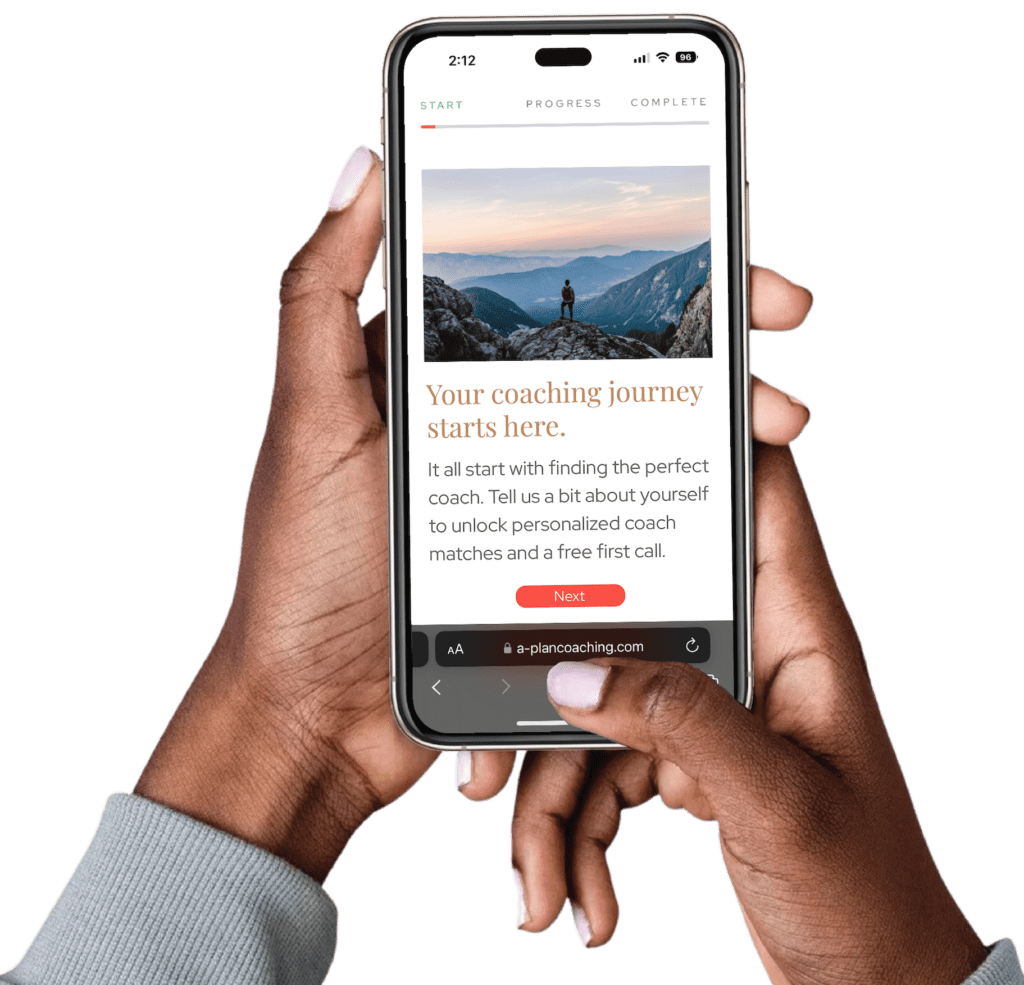
Want to explore how organization-wide coaching could transform your leadership pipeline?
FAQ
Focus on roles with high organizational leverage, people managers, project leaders, and high-potential employees. Look for individuals who are already showing leadership behaviors or are in positions where leadership development would have significant ripple effects throughout the organization.
The core coaching methodology remains the same, but the focus areas differ. Executive coaching often emphasizes strategic vision, board relationships, and enterprise-wide influence. Mid-level coaching typically focuses on team development, operational excellence, and preparing for broader responsibilities.
Track both leading indicators (360 feedback improvements, engagement scores, retention rates) and lagging indicators (promotion readiness, succession pipeline strength, team performance metrics). The key is establishing baseline measurements before coaching begins and regularly assessing progress.
Absolutely. Technical experts often benefit significantly from coaching because they’re typically high achievers who appreciate structured development approaches. The key is helping them translate their analytical skills into people leadership while developing the emotional intelligence components they may not have needed in individual contributor roles.